Can you use interior paint outside? No, not for real exterior surfaces that face sun, rain, humidity, or big temperature swings. Interior paint is built for controlled indoor conditions, so outdoors, it usually breaks down faster and starts causing problems you did not sign up for.
This matters for durability and safety because failing paint is not just ugly. Peeling chips can create a mess around walkways and patios, and moisture getting behind paint can lead to rot or mildew on the surface underneath.
In Jacksonville Beach and across Greater Northeast Florida, coastal humidity , salty air, and strong sun make the “wrong paint outside” issue show up quickly, especially on trim, doors, soffits, and any siding that gets afternoon storms.
What Happens If You Use Interior Paint Outside?
Indoor walls deal with steady temperatures, low UV exposure, and minimal direct moisture. Outdoor surfaces deal with heat, rain, wind, sun, and humidity that can settle on a surface for hours. That difference is exactly why interior paint tends to struggle outside.
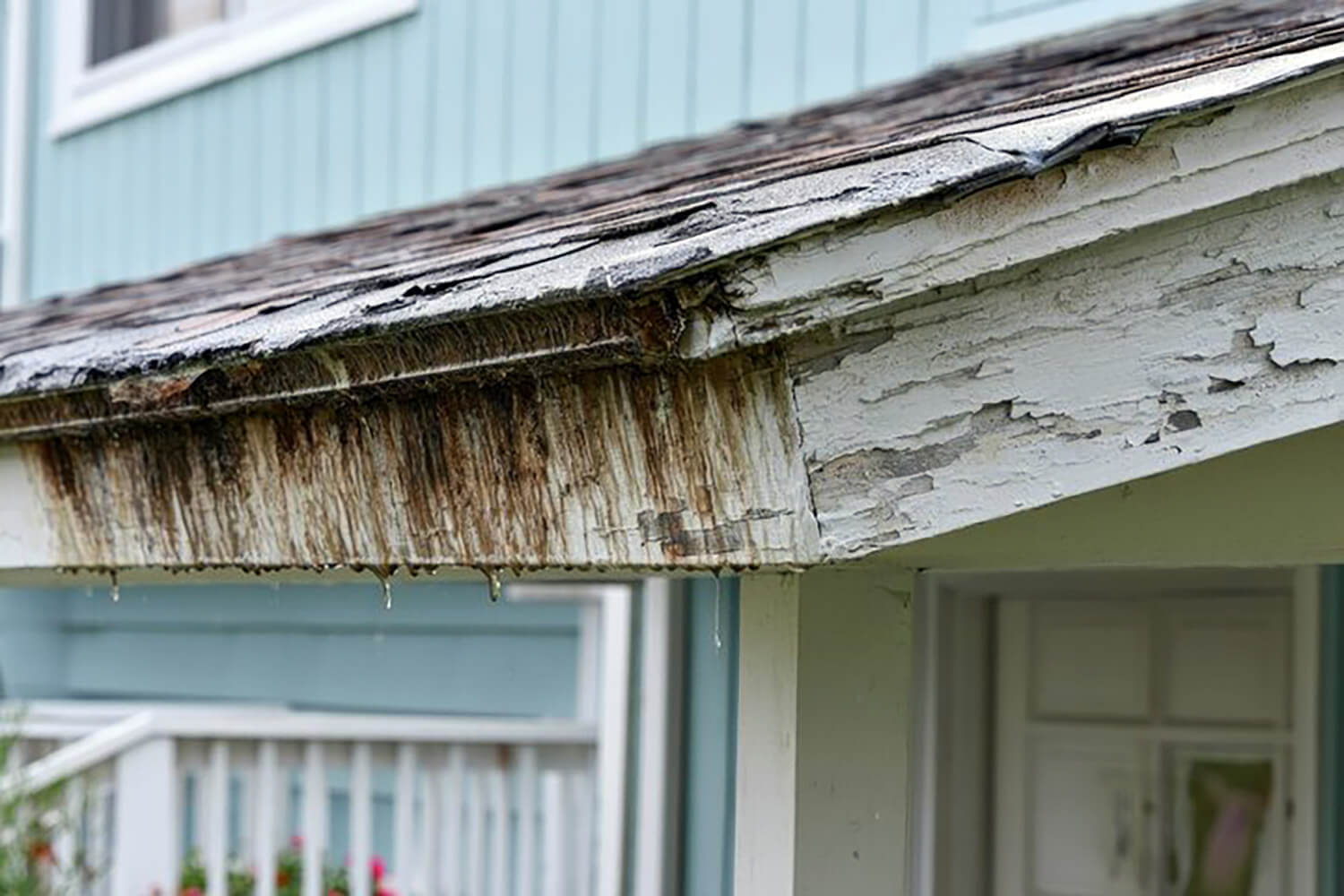
- Weather resistance issues. Rain, harsh sun, and fast temperature changes can soften or stress interior paint until it starts to fail.
- Adhesion and peeling problems. Exterior wood, stucco, and fiber cement expand and contract, and interior paint often cannot keep a strong grip through that movement.
- Mold and mildew risk. Shaded areas that stay damp, like soffits or the north side of a home, can develop mildew faster without the right additives in the paint film.
- Color fading and surface damage. UV exposure can dull the finish, fade the color, or leave a chalky layer that rubs off on hands and clothes.
- Shortened lifespan compared to exterior paint. Even if it looks fine at first, it often needs repainting much sooner, which means more prep, more labor, and more cost.
Key Differences Between Interior And Exterior Paint
Paint is not “paint is paint.” Formulas are built for where they will live, and that is the reason some coatings last for years while others fail in a single season. This is the heart of interior paint vs exterior paint.
- Resin and binder differences. Exterior paint usually uses binders designed to hold up to moisture and movement. Interior paint often prioritizes a smooth finish and scrub resistance for everyday indoor life.
- UV protection and fade resistance. Exterior products are made to resist sun damage so color holds longer, even on walls that get full afternoon light.
- Moisture and mildew resistance. Outdoor paint is designed to shed water and resist mildew growth, which matters in humid coastal areas and during Florida’s rainy stretches.
- Flexibility for temperature changes. Exterior coatings are generally formulated to flex with expansion and contraction, helping prevent cracking and peeling on trim, doors, and siding.
- Safety and VOC considerations. Interior paint often focuses on low odor and lower VOCs for enclosed spaces, while exterior paint is designed to cure and perform in open air conditions.
When Interior Paint Might Be Used Outside And Why It’s Risky
Leftover paint is tempting. If a can is already in the garage, it feels like a shortcut that saves money and time. As experts in residential and commercial painting around Jacksonville Beach, we see this exact situation all the time, and the risk usually shows up later when the finish starts failing.
Covered Or Low-Exposure Areas
A screened porch, a covered patio ceiling, or a shed tucked under a deep overhang may not get hammered by rain every day. That lowers exposure, but it does not remove it. Humidity still clings to surfaces, coastal air still carries salt, and wind can still push moisture into corners. If the space stays shaded and damp, mildew can still become a problem, even when rain rarely hits directly.
Short-Term Or Temporary Projects
If a finish only needs to last for a short season, interior paint might seem “good enough.” With over five years in the industry, we have learned that temporary outdoor paint jobs often become urgent projects later, usually at the worst time, like right before guests arrive or right after weather shifts. Paint that fails early often means extra scraping and surface repairs, not just a quick recoat.
Decorative, Non-Exposed Surfaces
There are a few cases where an item is outdoors but not truly exposed. Think of a decorative sign under a covered lanai, or a piece of art mounted in a screened area. Even then, plan on maintenance. Humidity can still affect adhesion, and indirect sunlight can still fade color over time. The surface prep also matters more than most people expect, especially on raw wood that can absorb moisture.
Mixing Interior And Exterior Paint
Mixing paints does not “average out” the performance. It can lead to uneven sheen, inconsistent cure, and unpredictable durability across the surface. One section might harden properly while another stays soft longer, which creates a patchy result that collects dirt and fails unevenly.
Why Professionals Advise Against It
Most people tell us they only wanted to use what they already had, but then they end up buying more paint anyway after the peeling starts. Pro-Vision Painting was recognized as Best of the Beaches 2024 for a reason, and a big part of that trust comes from steering you toward choices that hold up in Northeast Florida weather, not choices that look fine for a few weeks.
Better Alternatives To Using Interior Paint Outside
Exterior paint is the right solution for outdoor surfaces because it is designed to handle sun, moisture, and movement. Choosing the right product and process upfront usually saves you from scraping, sanding, and repainting sooner than you expected.
Choose An Exterior Paint Built For Your Surface
Start with what you are painting. Stucco, wood trim, fiber cement, brick, and concrete block all behave differently. The right exterior system is not just about the can label. It is also about the correct primer, the right finish, and the right cure conditions for that surface.
In coastal parts of Florida, look for exterior products that prioritize mildew resistance and strong UV performance. That is one reason interior paint durability outdoors is so limited. It is not made to resist the same threats.
Pay attention to the sheen, too. A satin or semi-gloss finish often makes sense on doors and trim because it cleans easily, while flatter finishes can help hide texture variations on stucco or older siding. Our advice as industry experts would be to treat exterior painting as a system, not a single purchase. Primer, caulk, and topcoat all play a role, and skipping one step is where problems often begin.
Prep And Timing Matter More Than You Think
Even the best exterior paint can fail if the surface is not ready. Wash away dirt, salt film, and chalky residue so the new coating bonds properly. Let the surface dry fully, especially after pressure washing or heavy rain. Replace failing caulk and seal gaps where water could sneak behind the paint film.
Timing helps, too. Northeast Florida weather can flip fast. Spring and fall often bring steadier windows that help paint cure evenly. Summer projects can still work, but afternoon storms and heavy humidity slow drying and can trap moisture. If you are still weighing whether to use the paint for something like a porch ceiling or soffit, the safer move is picking an exterior-rated ceiling paint designed for humid conditions and applying it when the forecast gives you breathing room.
Recent patterns we see show that early paint failures are far more common after rushed prep or painting right before a wet stretch. A little patience upfront usually buys you years on the back end.
Bottom Line
If you want a clean result without guesswork, a professional plan helps. Pro-Vision Painting serves Jacksonville Beach and the Greater Northeast Florida area, including nearby communities like Atlantic Beach, Neptune Beach, Ponte Vedra, and Jacksonville. You can request an estimate or consultation by calling 904-528-1471 or emailing [email protected].