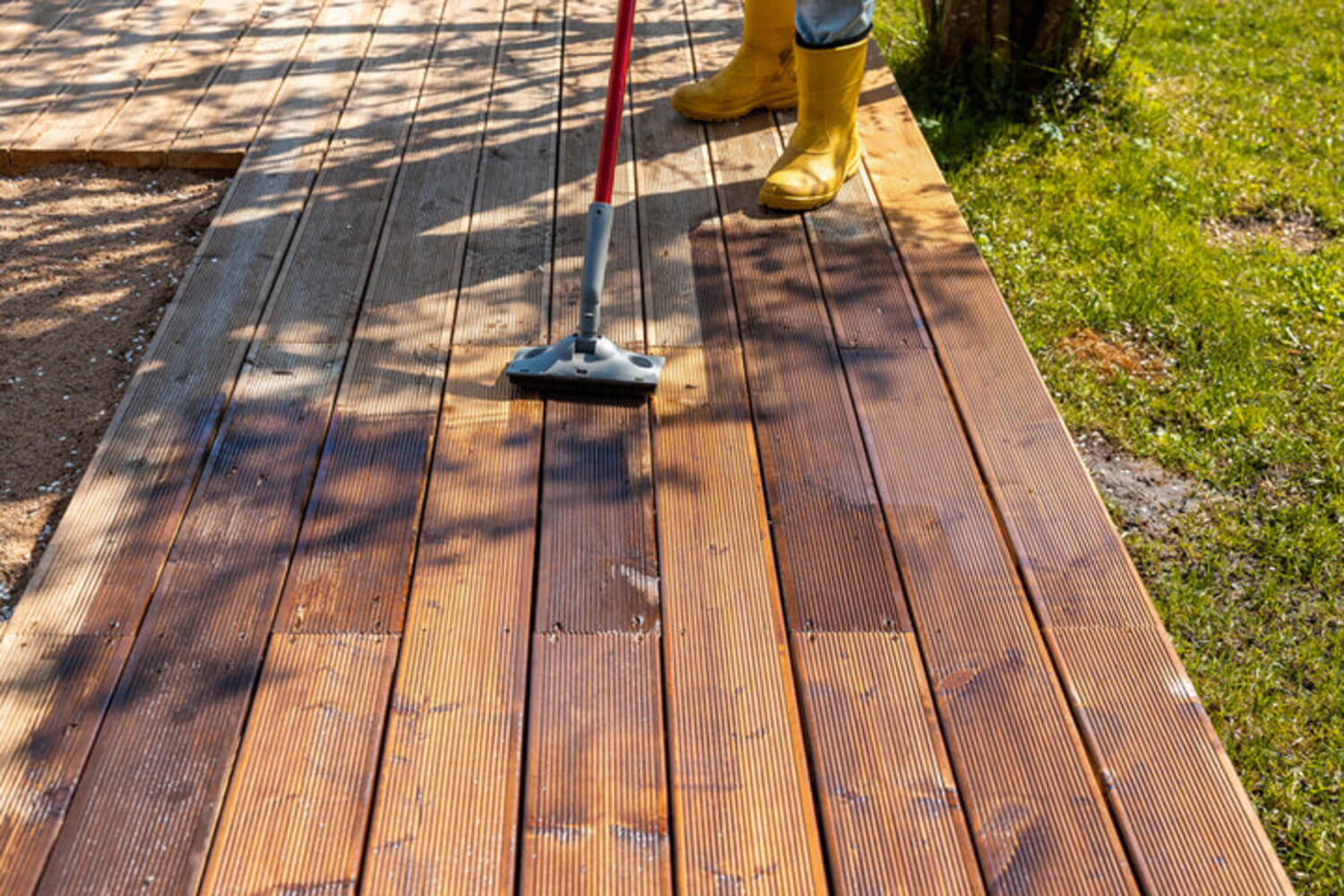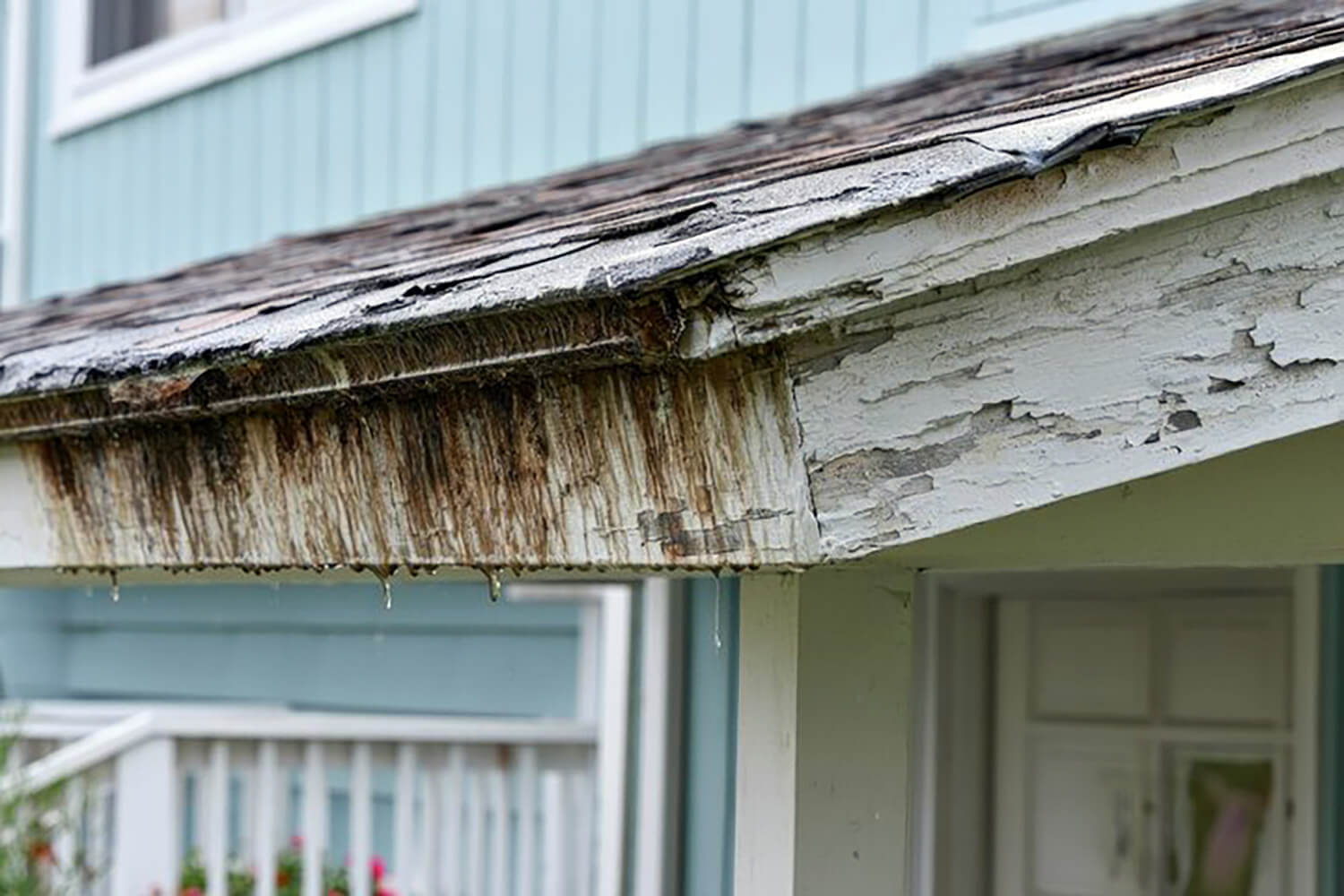
Salt-spray mornings, steamy afternoons, sudden downpours; life on Florida’s First Coast keeps every surface on its toes. Proper deck painting St Augustine FL homeowners can depend on is the first defense against all that atmospheric drama, and the same goes for fences that frame the yard. The following guide walks through coatings that laugh at humidity, prep tricks that fend off mold, and maintenance habits that stretch every paint dollar.
Why Coastal-Grade Protection Matters
Sun, salt, and subtropical storms hammer the exterior of a residential property all year. Ultra-violet rays bleach pigments; salty breezes crystallize on railings; torrential rain soaks unprotected boards. Choosing a product designed for high salinity stops premature fading and cracking before it starts.
Conversely, grabbing a big-box stain formulated for gentler climates usually backfires. Within months the color chalks, water finds hairline gaps, and the whole cycle starts again. Local pros mix climate-specific chemistries with tried-and-true prep so the coating bonds deeply and endures.
Choosing Colors for & Coatings for Outdoor Wood Protection Florida Families Trust
Modern stains come in dozens of tones, from coastal driftwood gray to classic cedar. Pigmented, water-borne formulas now rival oils for penetration while resisting mold. The best choice balances curb appeal with longevity; darker shades hide blemishes, lighter ones deflect heat.
Always check a small test patch first. Grain pattern, previous coatings, and exposure angle all affect final hue. If a homeowner’s association requires certain palettes, professional estimators can match them while upgrading protection.
Fence Finish Weatherproof Techniques That Last
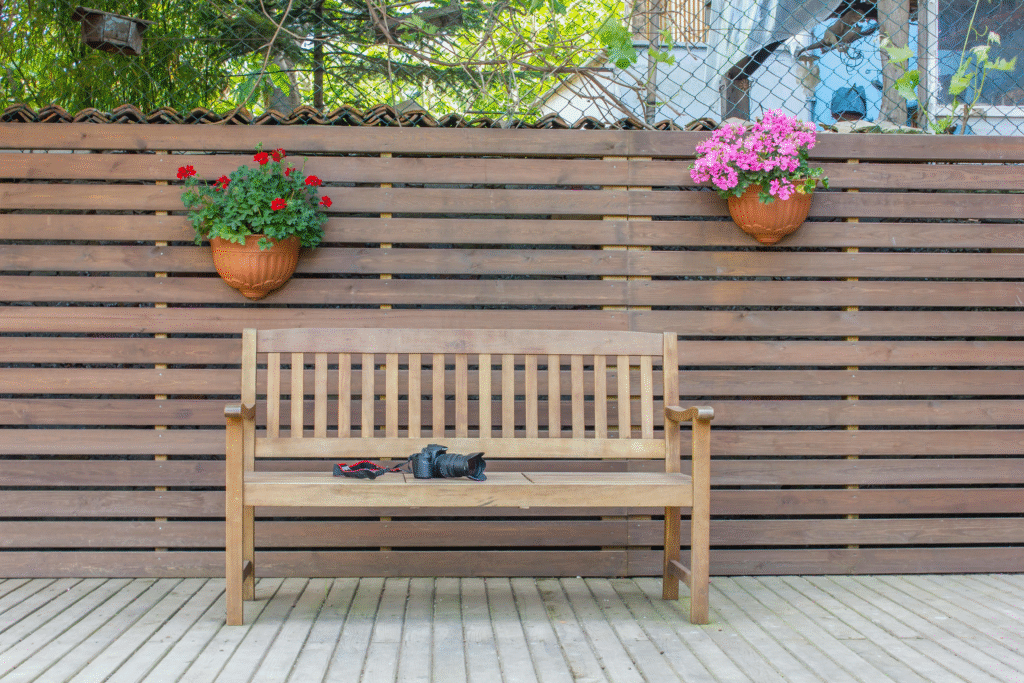
Strong coastal winds throw salt and sand against pickets like miniature sand-blasters. Start by power-washing at a low PSI to avoid gouging. Let the structure dry at least 48 hours, then spot-prime knots to block tannins. Once sealed, a high-build acrylic topcoat sheds moisture and expands with temperature swings.
Rot often starts where rails meet posts, so brush extra product into those end-grains. The result: fences that stay straight, bright, and splinter-free through countless hurricane seasons.
Step-by-Step: How to Refinish and Re-Stain a Deck Without Common Deck Staining Mistakes
Below is a simple weekend game plan that sidesteps the staining mistakes most DIYers make:
- Start Friday evening by clearing furniture and rinsing boards; dawn dew dries faster than afternoon humidity, saving time.
- Saturday morning, sand feather-edged splinters; go with the grain to prevent cross-scratches that telegraph through stain.
- Midday, inspect fasteners and replace corroded screws. Skipping this application step traps rust beneath new color.
- Late afternoon, apply the first coat evenly, then reapply a light second pass where thirsty grain absorbs more. Let everything cure overnight.
- Sunday, walk the perimeter barefoot to feel tackiness; if boards are ready (dry, but not brittle), move furniture back slowly to avoid scuffs.
Following those tasks prevents lap lines, blotches, and premature peel-offs.
Preparation & Access: Safety First, Then Paint
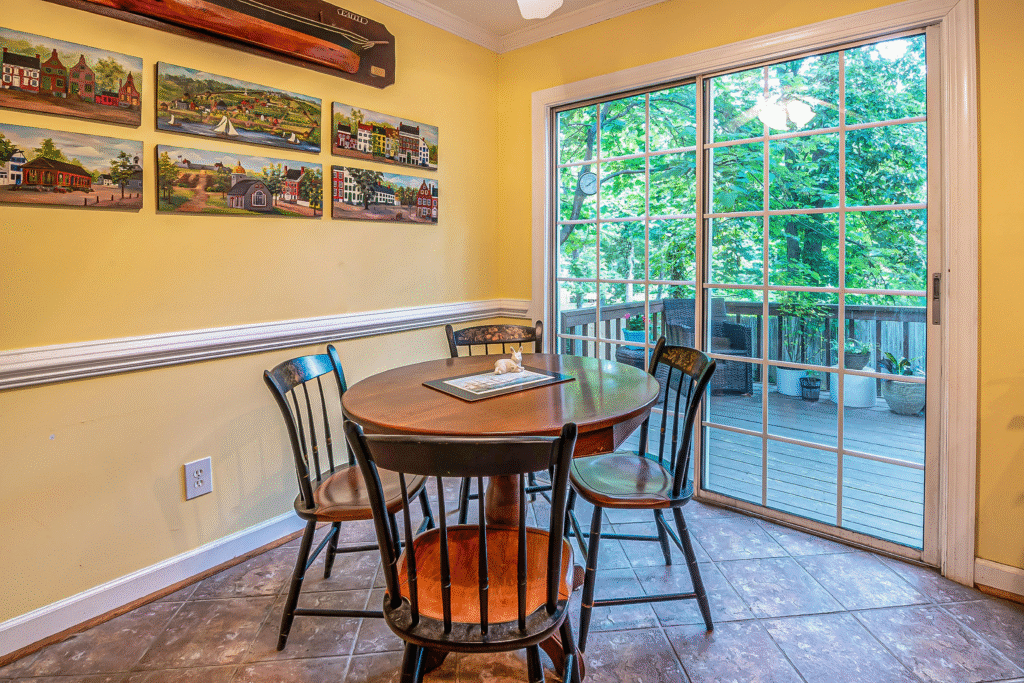
Before any brush hits wood, the site must be organized. Clear walkways protect workers and plants alike, and it’s best to confirm HOA or city permission so there are no mid-project slowdowns. Smart-home enthusiasts sometimes mount a live-streaming http camera tied to a home-office server so they can peek at progress from work.
Here’s how professionals prep for success:
- Remove grills, planters, and toys; lightweight covers shield delicate shrubs.
- Drape breathable tarps over AC units to keep airflow safe.
- Set ladders on level boards; clamp stabilizers when heights exceed one story.
- Create a tool zone near the driveway so no cords snake through footpaths.
- Station a wash bucket by the gate in case brushes need quick cleaning.
Staging thoughtfully trims labor hours and prevents accidents that cost more than paint.
Application Techniques, Dry Time, and When to Reapply
A smooth coat depends on weather windows. Ideal humidity sits under 65 percent, with temperatures between 60 °F and 85 °F. Brush the first coat along the board length, back-roll immediately, and let it penetrate.
Thickness matters: too thin and UV blasts through; too thick and it skins over, trapping moisture. After curing, schedule the first “check-up” at the one-year mark, adding a maintenance coat where foot-traffic shows wear. Doing so lets the film continue shielding the surface instead of playing catch-up after damage appears.
Seal the Deal: Comparing Sealers, Other Sealers, and Full-Scale Waterproofing
Below, miniature deep-dives reveal why certain chemistries excel in coastal conditions.
Acrylic Sealers
Flexible and fast-drying, they form a breathable membrane that releases trapped water vapor instead of blistering.
Oil-Modified Alkyds
Old-school penetration meets modern durability. They enrich grain tone yet stay harder than pure oils, reducing scuff marks.
Hybrid Urethanes
Micronized resins bond tenaciously, making them the best pick for high-traffic stairs.
Silane/Siloxane Treatments
Nano-sized molecules repel liquid while allowing vapor to escape, perfect for historic planks where vapor drive must not be blocked.
Choosing the right product isn’t about brand loyalty; it’s about performance under hurricane force.
Budgeting & Price Transparency: Getting a Solid Estimate
Paint jobs become nightmares when hidden charges pop up. Reputable contractors how know how to prep a deck for staining calculate square footage, substrate condition, and labor hours so each line-item is based on measurable data, not guesswork. A detailed proposal outlines prep, coats, and cleanup, locking the job scope in writing.
Afterward, homeowners can compare apples to apples among bids. The lowest figure isn’t always the best value if it skips primer or skimps on mil thickness. Up-front clarity prevents wallet shock and keeps both sides smiling at final walk-through.
Pro-Vision Painting: Company Vision, Goal, and Proven Results
Five years of award-winning service show in every color-rich deck, glowing pergola, and salt-proof rail this crew touches. The team’s core sense of craftsmanship drives procedures that transform dull planks into magazine-ready showpieces.
Uniformed painters arrive on time, communicate daily, and leave nothing behind but a flawless sheen. That customer-first culture earned the Best of the Beaches 2024 badge and countless five-star reviews.
Longevity & Home Maintenance: Keeping Boards Bright for Years
Caring for coating film is simpler than most realize. Quarterly rinses wash off salt; an annual inspection finds early soft spots before rot takes root. When autumn leaves accumulate, sweep promptly so tannic acids don’t stain.
If a screw head rusts, back it out and swap stainless. Perform these micro-tasks each season to look for trouble and follow a quick repair checklist. Small actions today prevent major rebuilds tomorrow.
Frequently Asked Questions
1. How often should coastal decks and fences be recoated?
Most pros recommend a fresh coat every two to three years as part of smart home maintenance. Salt, sun, and rain are relentless, so staying on that cycle keeps damage from ever getting a foothold.
2. Do crews need full access to my yard while they work?
Yes. Painters need clear access to every rail, post, and joist so they can prep and coat without obstructions. Clearing furniture and landscaping ahead of time speeds things up and protects your belongings.
3. Are the products you use safe for a residential setting?
Absolutely. All stains and sealers are low-VOC and designed for residential environments, so there’s no lingering odor and minimal disruption to daily life.
4. Can you handle my deck, fence, and exterior siding in one project?
Combining surfaces is often the most cost-effective route; tackling the deck, fence, and exterior siding together means one setup, one prep session, and a perfectly matched finish across the property.
5. How do I request a detailed project estimate from your company?
Simply call or fill out the online form, and the company will schedule a no-obligation site visit. After measuring, you’ll receive a written estimate that outlines every step and cost.
Why Choose Us: Community Addition, and How We Provide Value
A painting project shouldn’t feel like inviting strangers onto the patio. Friendly technicians introduce themselves by name, explain timelines, and listen to homeowner priorities. Beyond brushes, Pro-Vision sponsors beach clean-ups and playground repaint days.
Clients use free virtual quotes, color consultations, and aftercare guides to keep finishes pristine. Transparent communication turns one-time projects into lifelong partnerships.
Conclusion: From Driveway to Siding—Total Coverage Awaits
Humidity will always visit Augustine, but cracked rails and faded boards don’t have to. Whether upgrading a pergola, staining a fence, or safeguarding a porch, coastal-grade coatings add beauty and durability in equal measure. Tap the experts who live here, know the weather tricks, and bring passion to every plank.
Ready for surfaces that shrug off storms? Schedule a free consultation today and watch the transformation begin.